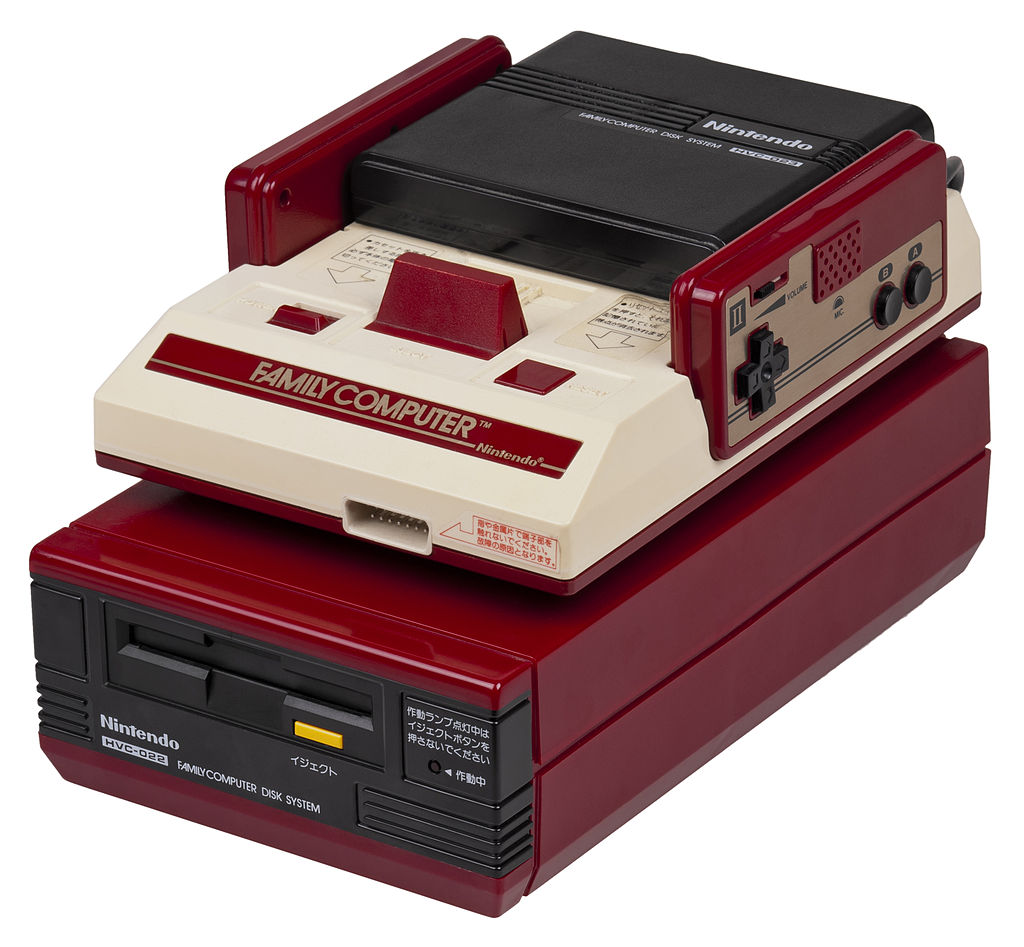
Today represents a sad day for gamers across the world, as Hiroshi Yamauchi, the man who essentially kick started the home video gaming industry as we know it, passed away. Yamauchi was the President of Nintendo from 1949 until 2002, and oversaw the creation of what many consider to be the best video game console of all time: the Nintendo Entertainment System.
The NES, known as the Famicom (or Family Computer) in Japan, was launched on July 15, 1983 and was Nintendo’s first fully fledged console designed to play a myriad of games interchangeably. At the time, the gaming market was still reeling from the great video game crash of ’83, in which the popularity of home gaming dramatically declined due to the oversaturation of consoles and a lack of high-quality software to go along with them. Nintendo, originally a playing card manufacturer, had in recent years been involved in the development of minor video game consoles and handhelds such as the “Game & Watch” product line. It decided to take a risk by developing a gaming console which was nothing like the consoles before it: the NES.
The NES blew consoles such as the Atari 2600 completely out of the water, and revitalized the home gaming market with its’ high quality ports of arcade hits such as Donkey Kong and original titles which have since become some of the most beloved gaming franchises in the world.
During my time in Japan, I spent hour upon hour at this wonderful little Showa-era (1926-1989) store called Shi-Go-Nana, or C-57, which is a dagashiya. Dagashiyas usually sell cheap candy and trinkets to kids, like a corner store, but this particular place is special because it transports you back to that period of time when the NES came out. Sitting in a little corner of the store on a tatami mat in front of an old-school 1970’s television, I would spend hours playing NES classics.
As I heard the sad news about the man who engineered my gaming childhood, I was reminded of all the great times the NES had brought me, and came up with this list of the 8 best NES games of all time.While it was hard to narrow it down, in my opinion, these games have undoubtedly laid the groundwork for everything we love to see in our games today. Instead of being ranked, the games are in chronological order, as I feel that they all have unique merits and could each stand as the best. So as they say in Japan, “tanoshinde kudasai!” (Please enjoy!)
1) Donkey Kong, 1981
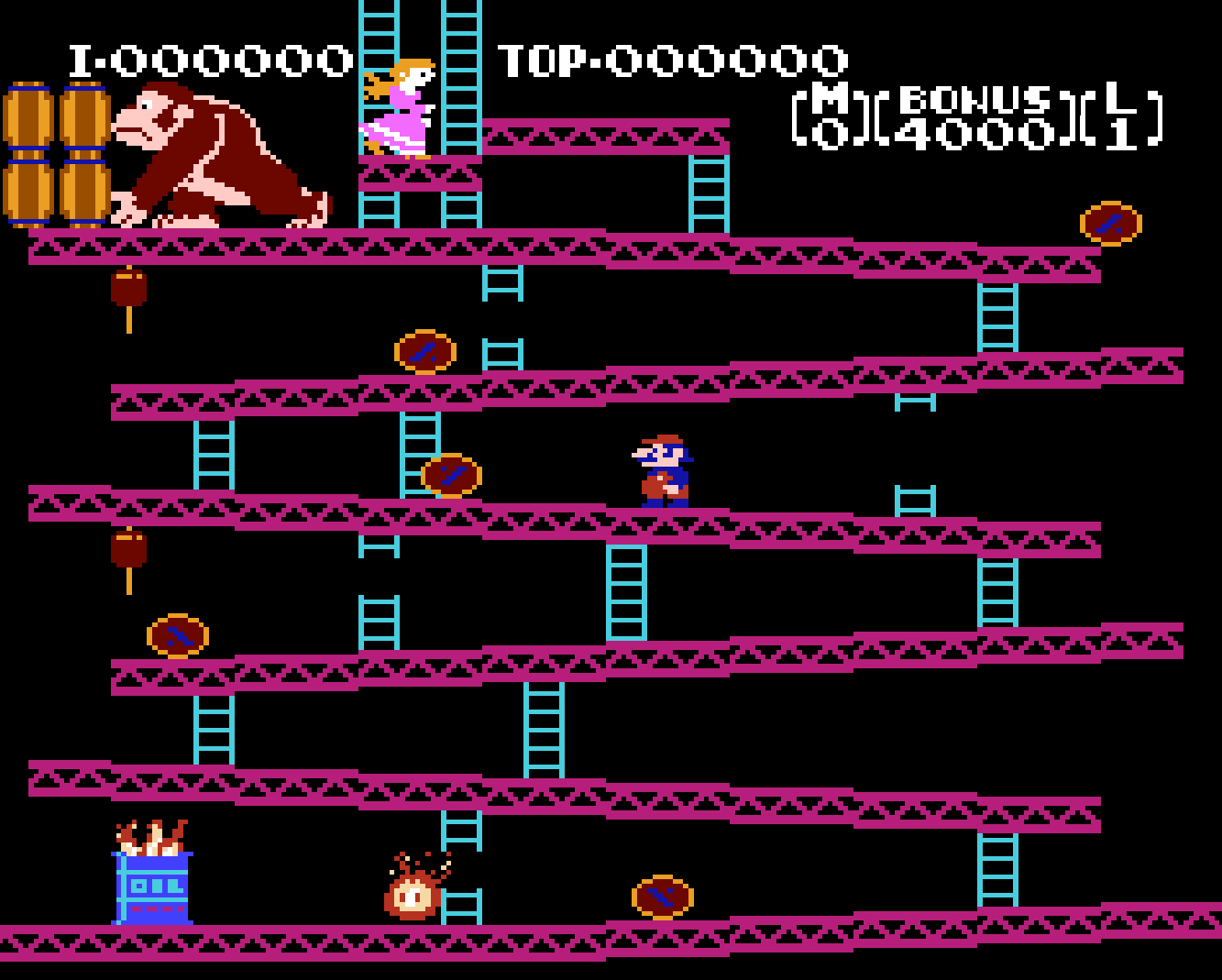
Donkey Kong is the game that not only gave us the infamous hammer (bane to Super Smash Brothers players everywhere), but also some of the best known Nintendo characters: Pauline (precursor to Princesses Peach and Toadstool), Mario (known then as Jumpman), and of course, Donkey Kong. Making it to the top of the steel maze only to watch Kong take Mario’s girl again was the perfect combination of satisfaction and frustration.
2) Spelunker, 1983
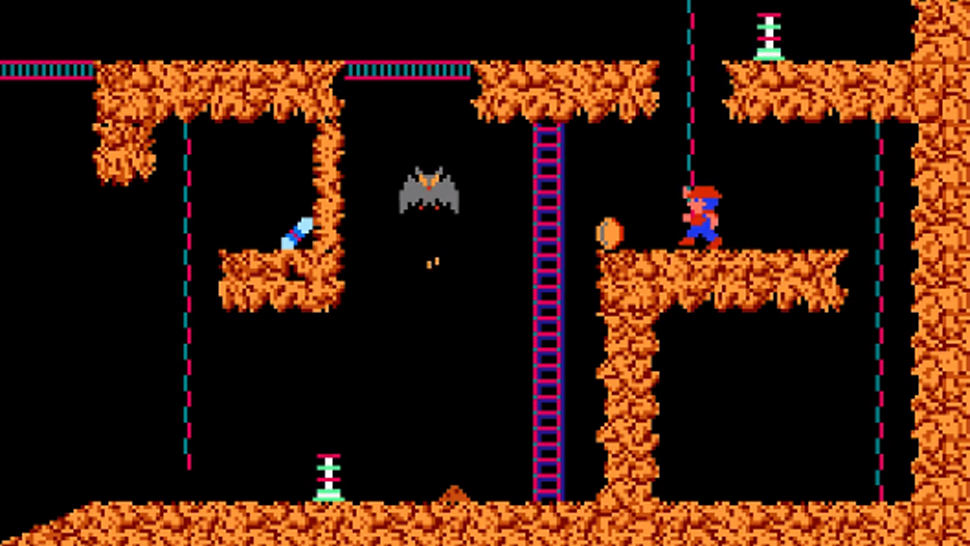
Spelunker is definitely one of those classic games that lets you know you are playing the NES. You are a cave explorer with an incredibly low tolerance for pain, and you’ve got to make it to the treasure while avoiding numerous hazards, including bat poop. Spelunker required gamers to become pros at maneuvering the character, as even falling a little too far or jumping a bit too high would result in death. Highly frustrating, highly entertaining, pure NES.
3) Super Mario Brothers/Duck Hunt
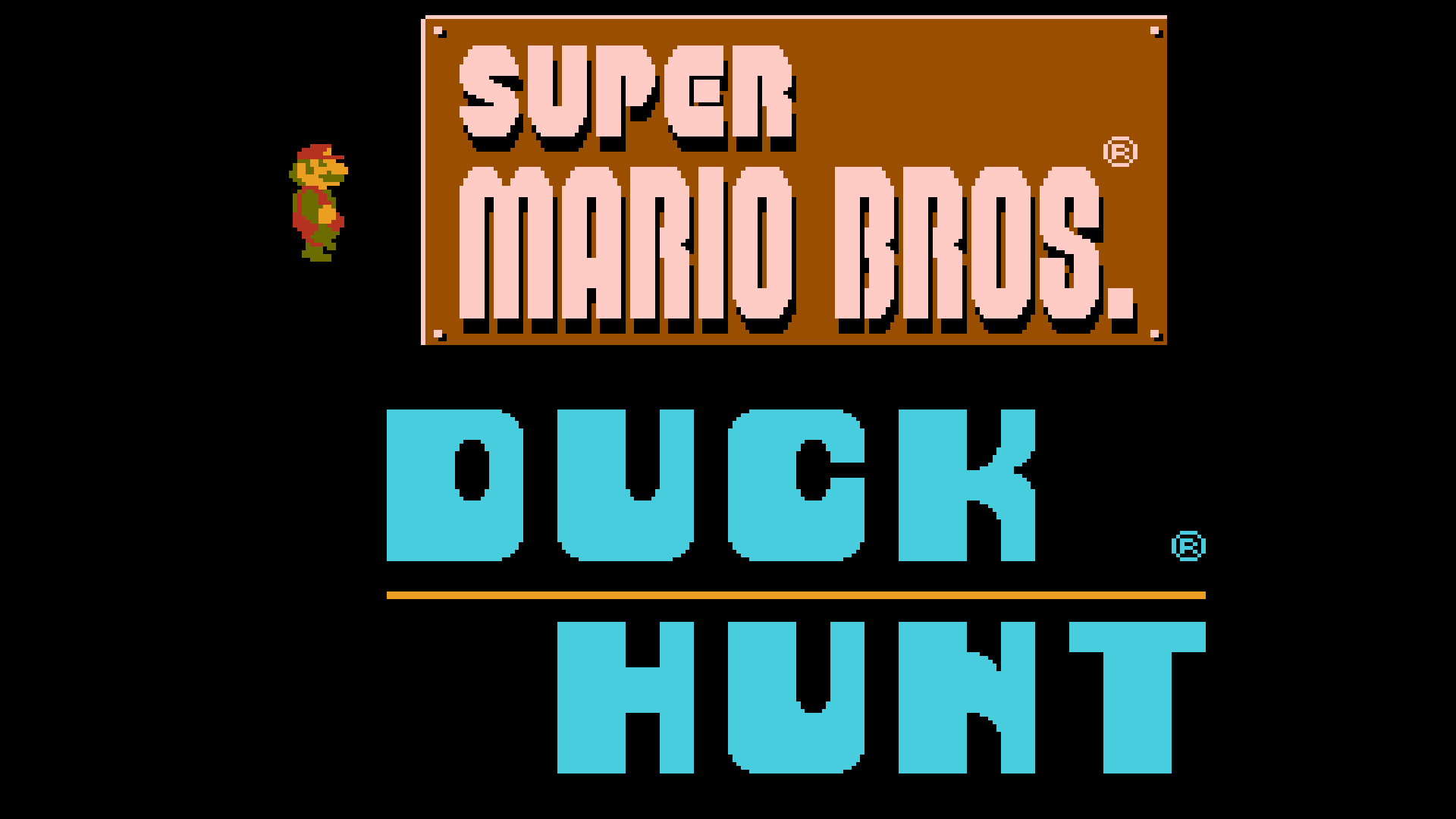
Super Mario Brothers and Duck Hunt came packaged together as a dual game-pak, and each provided the perfect escape from the other after one too many fights with the Hammer Brothers or appearances by that snickering dog. SMB in particular introduced gamers to Nintendo’s revamped flagship character, Mario, and his universe of plants, pipes, and plumbing.
4) Ghosts ‘n Goblins, 1985
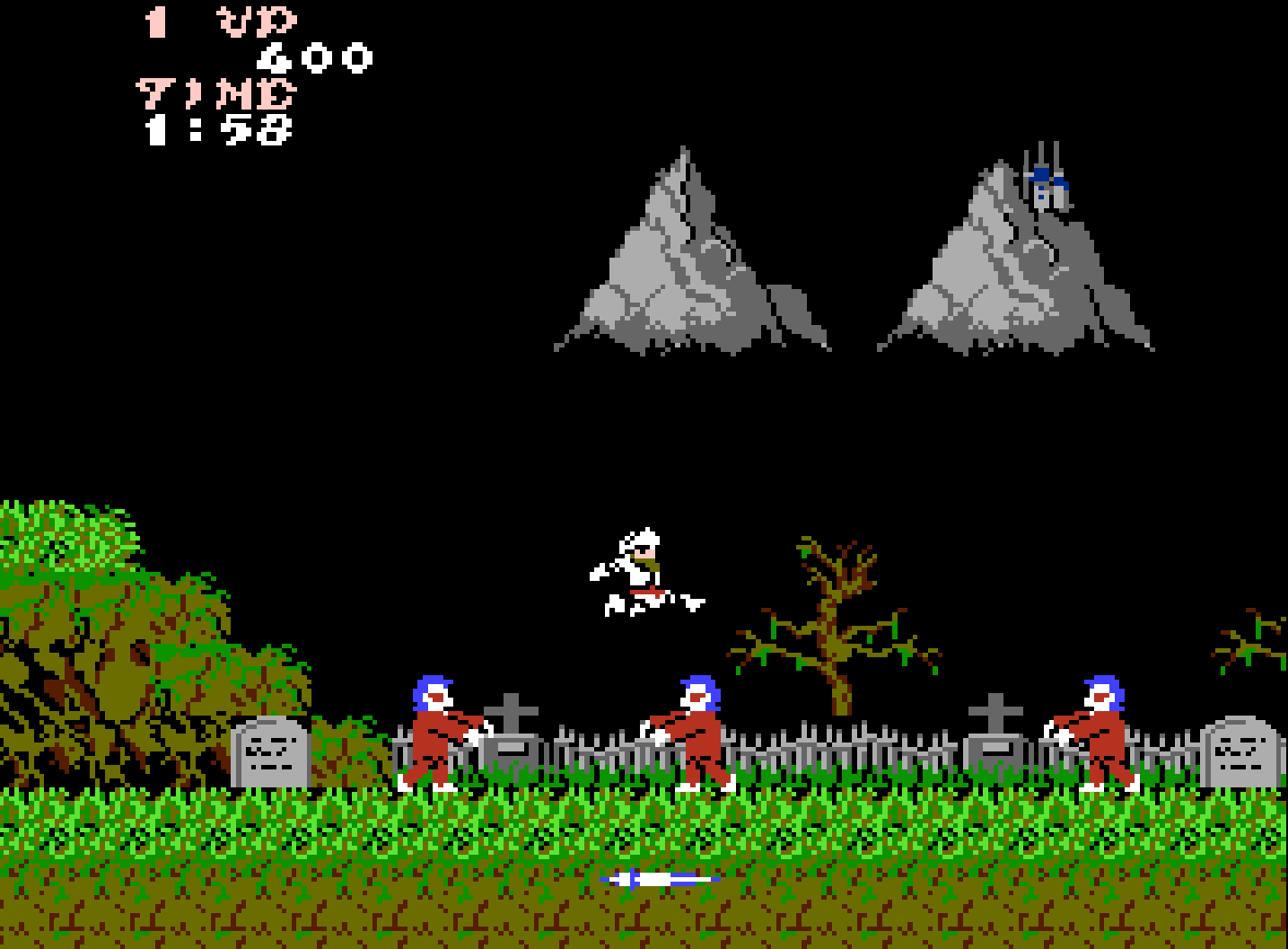
Ghosts ‘n Goblins introduced gamers to Sir Arthur, the knight with a major crush on Princess Prin Prin and a predilection for losing his clothes in battle. If players were lucky enough to make it past the Red Arremer in the first level, there were still plenty of challenges designed to test their gaming skills.
5) Metroid, 1986
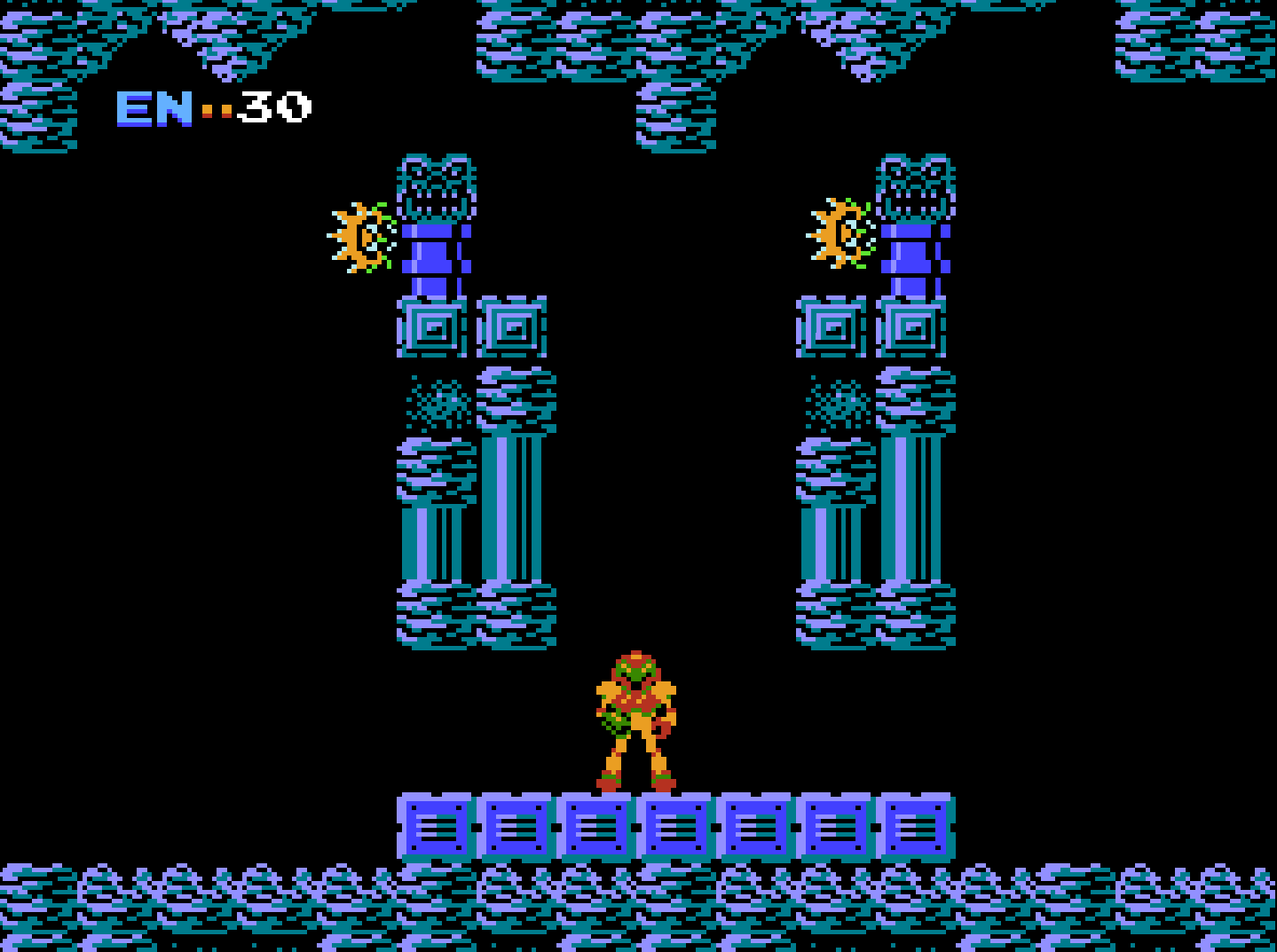
In Metroid, gamers took on the role of Samus Aran, an intergalactic bounty hunter determined to save the galaxy from the Space Pirates. This game combines elements of both Super Mario Brothers and Legend of Zelda, with a darker action-adventure story, and is notable for featuring one of the first female protagonists in gaming. One of its best known myths is the existence of an ending which features a naked Samus. Take a look at Game Center CX’s Arino, an old school game challenger, attempting to clear the game in order to test this myth.
6) Legend of Zelda, 1986
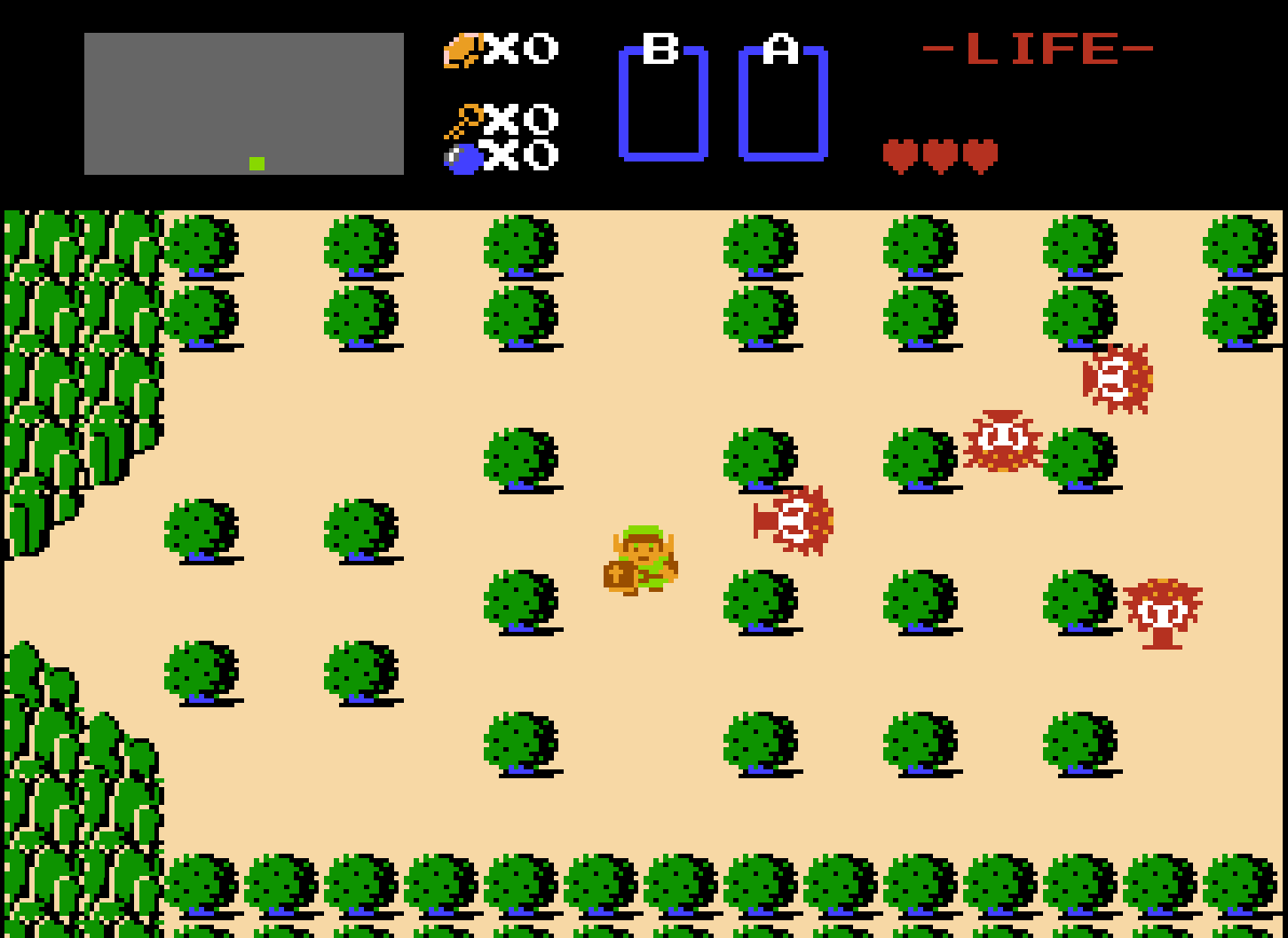
Legend of Zelda marked the debut of one of Nintendo’s flagship characters, Link, and his never-ending quest to save Princess Zelda. What an altruistic guy! Its gameplay is a mix of role playing, action, and puzzle solving, and was able to appeal to a wide audience of gamers. To this day, the Zelda franchise is one of the most important to Nintendo, and the original is the fourth best-selling NES game of all time.
7) Final Fantasy, 1987
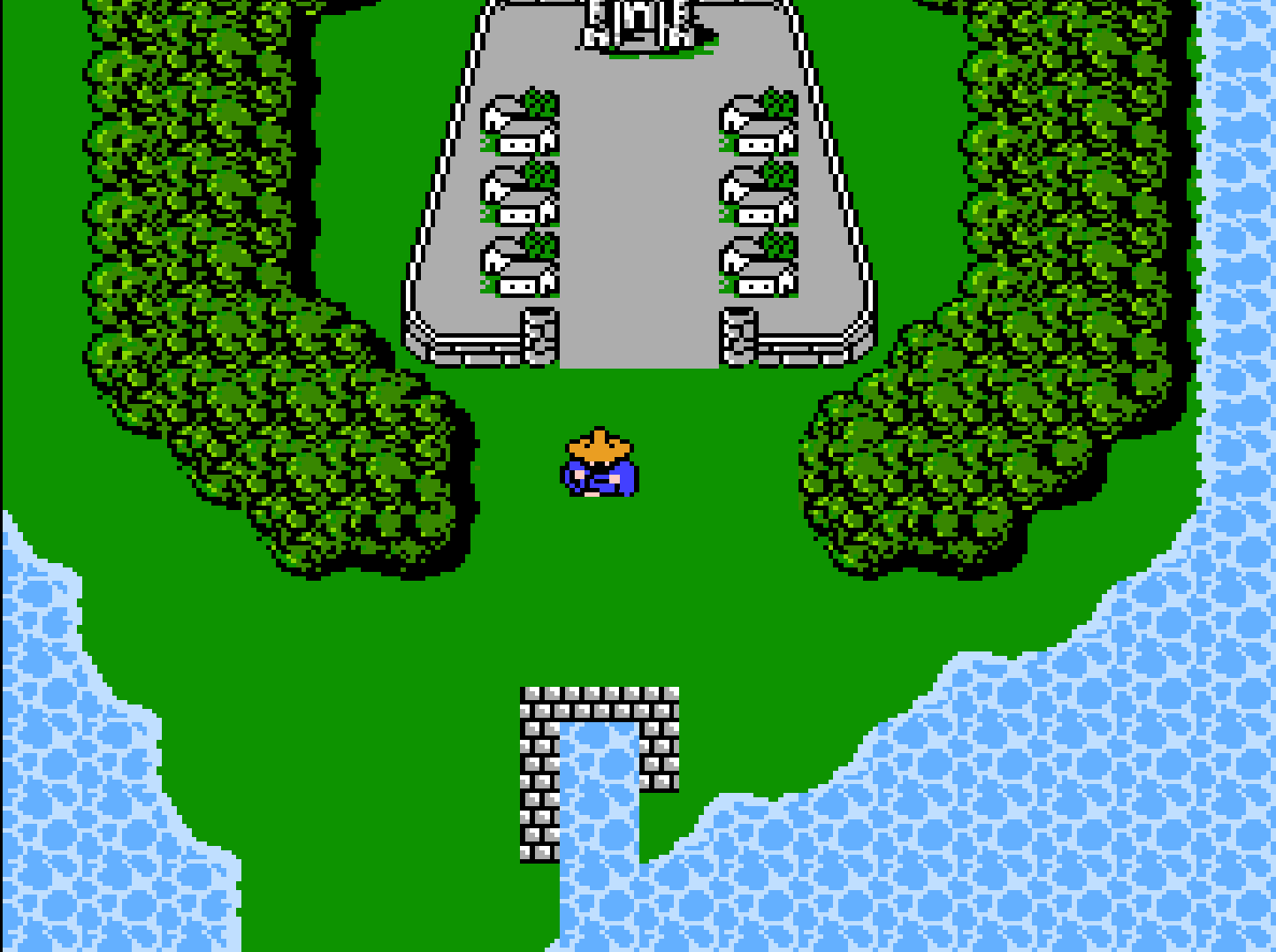
Final Fantasy, created by Hironobu Sakaguchi, has become one of the most well known franchises in gaming, but it all began back on the NES in 1987. It wasn’t the first RPG created, however it did popularize the genre and introduced to video games several features still existant in FF games today, including the notorious random encounter.
8) Contra, 1987
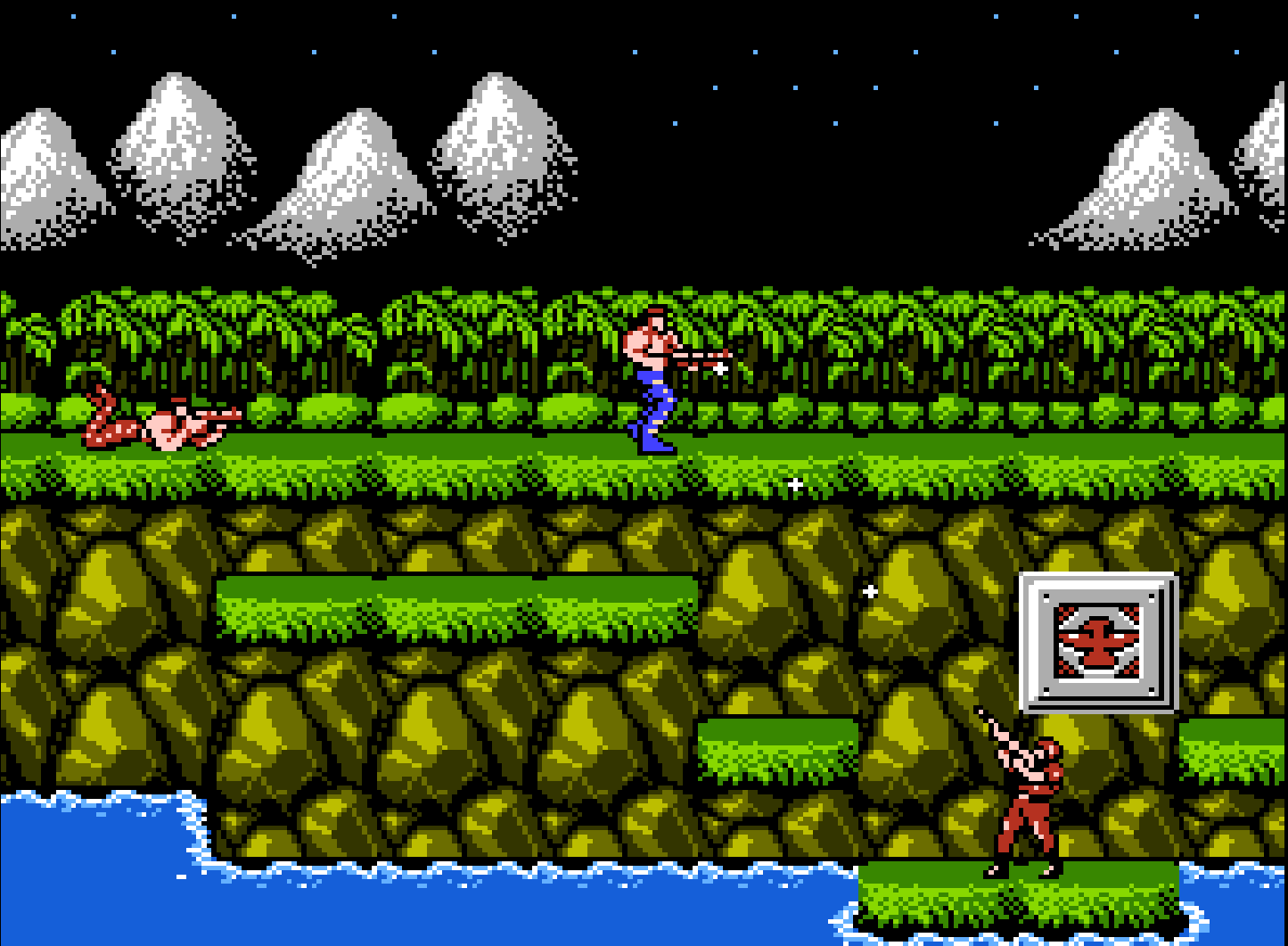
Up, up, down, down, left, right, left, right, B,A. Need I say more?
So, what are YOUR top 8 NES games of all time?
Published on .Mic
-Namakemono
Related articles
- Nintendo visionary Hiroshi Yamauchi passes at 85 (joystiq.com)
- Nintendo ex-president Hiroshi Yamauchi dies at 85 (theguardian.com)
- The man who transformed Nintendo, Hiroshi Yamauchi, has died at 85 (theverge.com)
- Hiroshi Yamauchi, Who Ran Nintendo for 53 Years, Dies at Age 85 – Bloomberg (bloomberg.com)
- Hiroshi Yamauchi, architect of Nintendo’s video game success, dies aged 85 (gamesradar.com)
 Namakemono no Manifesto