Protected: Random Thought Of The Day: On Porn
Enter your password to view comments.
Enter your password to view comments.

-The following is an excerpt from the log of Captain Robinson, recovered from the wreckage of a metal taun-taun people mover in the Canadian Arctic.
Captains log: Day one – 8:30am. I awoke to find my trekking partners encased inside a strange, metal taun-taun. Feeling the urge to stand in solidarity, I sat down and joined them inside for 12 hours.
Captain’s log: Day two – 11pm. I set out on a glorious make-for-great-of-motherland-and-grand-leader-trek to Canada. America Jr. The world’s largest exporter of perfectly packaged pop stars. Judging by the frozen crystals that hang in the air when I exhale, I’d venture to say that it is cold as balls – upon exposure to the Quebeckian atmosphere, my face spontaneously sprouted a full beard, which assumed a mountain-man-type formation. I fear it is only going to get worse as this expedition continues, as Quebeckian general stores hold no signs of razor sales.
Over the past day and a half, I have spent hours tracking up and down the Quebeckian landscape and have gathered that these Quebeckians must be borne into baths of ice water and spend their summers sunbathing in meat freezers. Even their Quiver (the Quebeckian River) changes directions at their will, it seems. I attempted to soldier through the endless trails of slush in my trusty hush puppies, but eventually quickly stubbornly capitulated to a sturdy pair of boots once I realized that my feet, made of mere flesh and not stainless steel, could not stand up to the refrigeration.
There are many attractive features to be found dotting the Quebeckian landscape, which reminds me of an amalgamation of all the rurality I have experienced until now. Rolling hills of mountain lights like your Salty Lakes or your Pittsburghers, walls of snow like the Yukiguni, intricate light systems designed to distract tourists like your Tokamachis or New Yorkes, Steamy, smoky, fiery clouds of cloud from a Bob Ross painting. None of this impresses me. Did not look.
The Quebeckians speak a strange tongue, part baby, and part B-movie villain. This seems to stimulate hunger.
Exhausted from the trek, I managed to procure a tasty meal of ale and mutton flesh which restored manliness. Ale seems only to come in your choice of very hoppy or very f*BEEPS*-ing hoppy. Am confident acquired manliness will last until the town cryer shares word of the forthcoming weather on the picture box. Cautious of poutine geysers.
I retire to my chambers for the evening, hoping to claim some relief from the exposure of the harsh Frenchlands. Pushing forward to Mount Reals shortly. Will be on the lookout for pockets of truth.
-Namakemono

So here we are, yet another Thanksgiving has come along; the 27th of my relatively short life, my first spent in New York in nearly a decade, and arguably the first ever in which I am keenly aware of a genuinely non-sarcastic reason to be grateful at this point in my life: failure.
Yes. This Thanksgiving, what I am most grateful for is failure. Specifically, I am grateful for all the failures which I have experienced up until now, and cautiously grateful for all of the failures which still lay ahead of me.
To be sure, this is an odd thing to be grateful for; failure isn’t inherently fun, nor is it pleasurable. It doesn’t feel good, it never seems to pass quickly enough, and it all-too-often leaves you feeling broken and confused. In comparison, success seems to be an intangible far more worthy of gratitude. Surely the acceptance, satisfaction, and respect earned as a byproduct of success are well deserved, and ideal measures of just how grateful a person should be for the good things in his or her life.
But here’s the thing – success is entirely a product of failure. Failure creates unbiased benchmarks with which we can compare our current selves with the person we aim to be. All our complaining and dismissal of culpability for who we are and what we do cannot hide the simple truth that failure sheds light upon: something about us must change, something within must grow in order to achieve success.
This truth has been among the few constants I learned to embrace from a young age. I learned the importance of empathy after my selfish behavior and flippant attitude cost me the companionship of some of my closest friends. I learned to embrace change after my arrogance ultimately resulted in the loss of a job that I poured 100% of myself into. I learned how to respect both women and myself through disappointment, doing so much that I never want to repeat, and experiencing so much that I do not want to experience again. I learned the importance of family after spending too much time distancing myself, until realizing that this precious resource won’t exist forever and that few people in this world will selflessly hope to their core for your success. I learned to express humility, to work hard, and to be confident through being wrong, losing, and missed opportunities. I have learned so much through failure.
I am who I am today because of my failures; they don’t define me; rather, I glean insights from them to periodically redefine myself. And I stand here in spite of those failures, successful in the things I apply my hard earned insights to. I am still far from perfect, and I know that some of my imperfections will inevitably lead to more pain and setbacks, but I am grateful that through these experiences I will continue to grow until my rate of success is significantly greater than my rate of failure.
So on this Thanksgiving Day, the best message I could hope to share with you is simply this: embrace your failures, accept them, and overcome them. They will transform you into exactly what you need to be to find your success and happiness.
-Namakemono

Hactivist collective Anonymous has decided enough is enough, and that it’s time for Americans (and sympathetic others around the world) to stand up and reclaim their government from the clutches of corrupt politicians who espouse tyranny. The group announced that on November 5th, it will hold a “million mask march” in which they expect hundreds of thousands of participants to descend upon over 400 locations, including Washington, D.C., in an expression of solidarity against oppression and despotism.
Participants are encouraged, though not required, to don masks featuring the likeness of Guy Fawkes, known for his involvement in the Gunpowder Plot. Originally seen as a symbol of treachery, popular culture eventually rewrote his legacy as that of a hero fighting against the unjust, and November 5th was designated Guy Fawkes Day. The 2006 film V for Vendetta gave us the popular stylization of his visage, and Anonymous eventually appropriated this mask and the date for its own purposes.
The main event is scheduled to occur at the Washington National Monument, evoking memories of well-known gatherings such as the legendary March on Washington for Jobs and Freedom, and countless other Million [insert noun here] Marches.
Exactly what Anonymous hopes to achieve through this march is unclear, beyond expressing its discontent with the state of affairs in the American government. However, the group is known for its decentralized and laissez-faire approach to organization, and the march may signal its shift towards a more clearly identified and focused agenda. It will also serve as a litmus test, gauging the eagerness of Americans to commit to another Occupy Wall Street style movement.
Ultimately though, it’s difficult to imagine the group scoring a clear and significant victory with this march. While most Americans are fed up with the political antics that have caused a never ending governmental stalemate, there is no acute impetus novel enough to rally around, as with the Great Recession and the Tea Party movement in 2009, or the global crescendo of political instability which lead to the Arab Spring and Occupy Wall Street movements. Furthermore, even with the massive support, publicizing, and dissemination of its objectives, Occupy Wall Street has all but disappeared, and it failed to accomplish its major goals. Anonymous shares many of these goals, but has none of the momentum behind it, or a real platform from which to combat the financial and political discrepancies plaguing the nation (because let’s be honest, it’s going to take a lot more than hacks and DDoS attacks to fix our problems).
Still, if Anonymous is serious about revamping its approach and transforming into a more effective political action group, it has picked a uniquely Millennial approach for doing so, creating a cultural mashup of a call to action. So as Guy Fawkes, V, or Anonymous might say, “Remember, remember, the 5th of November,” and keep fighting for your inalienable rights. The status quo is betting that you won’t.
Published on .Mic , November 1, 2013
-Namakemono

Last weekend, through a warm and friendly haze of ale, as I reminisced with old friends about times past, we happened to talk about a favorite song of ours coming up (growing up? Back in the day? As young pups? 成長した時?,いいから続きなせ!), and how we used to play it until it was like poison to our ears. Basking in the confidence-building glow of all that grog, I made some promises, which I fully intended to keep, but my ambition got the best of me.
Had groggy Jon realized how much of a damn perfectionist sober Jon is, he would have known that three days to play a song wasn’t going to cut it (sorry, that particular promise was doomed from the start!), no no, not with all the clipping and cutting, the editing, finding the right tones, delicately recording, neurotically rerecording and laying more and more instrumental tracks required simply to get ever more accurate and as close to the original song of legend as possible, no no no. Three days was indeed three days too early! But I am pleased to say that the result of all of this is quite pleasant, in my opinion.

Claudio’s face after he hears what I did to his precious guitar riffs!
The song is In Keeping Secrets of Silent Earth 3. The band is Coheed and Cambria. The guitars, bass, and whatever else you may purport to hear in this iteration is all me; the result of a bit of practice and a manic 20 some odd hour recording session. It’s always an honor to do my best in the service of a Coheed song and irreplaceable memories. Take a listen! Get your sing on! Grab your instrument of choice and wail away with me! But especially, definitely, listen, please!
(Just to cover my butt, I DO NOT own the copyrighted work and materials of the legendary gods that are Coheed and Cambria, and certainly hope that they shall refrain from hurting me or my wallet in retaliation for paying tribute!)
-Namakemono

Today represents a sad day for gamers across the world, as Hiroshi Yamauchi, the man who essentially kick started the home video gaming industry as we know it, passed away. Yamauchi was the President of Nintendo from 1949 until 2002, and oversaw the creation of what many consider to be the best video game console of all time: the Nintendo Entertainment System.
The NES, known as the Famicom (or Family Computer) in Japan, was launched on July 15, 1983 and was Nintendo’s first fully fledged console designed to play a myriad of games interchangeably. At the time, the gaming market was still reeling from the great video game crash of ’83, in which the popularity of home gaming dramatically declined due to the oversaturation of consoles and a lack of high-quality software to go along with them. Nintendo, originally a playing card manufacturer, had in recent years been involved in the development of minor video game consoles and handhelds such as the “Game & Watch” product line. It decided to take a risk by developing a gaming console which was nothing like the consoles before it: the NES.
The NES blew consoles such as the Atari 2600 completely out of the water, and revitalized the home gaming market with its’ high quality ports of arcade hits such as Donkey Kong and original titles which have since become some of the most beloved gaming franchises in the world.
During my time in Japan, I spent hour upon hour at this wonderful little Showa-era (1926-1989) store called Shi-Go-Nana, or C-57, which is a dagashiya. Dagashiyas usually sell cheap candy and trinkets to kids, like a corner store, but this particular place is special because it transports you back to that period of time when the NES came out. Sitting in a little corner of the store on a tatami mat in front of an old-school 1970’s television, I would spend hours playing NES classics.
As I heard the sad news about the man who engineered my gaming childhood, I was reminded of all the great times the NES had brought me, and came up with this list of the 8 best NES games of all time.While it was hard to narrow it down, in my opinion, these games have undoubtedly laid the groundwork for everything we love to see in our games today. Instead of being ranked, the games are in chronological order, as I feel that they all have unique merits and could each stand as the best. So as they say in Japan, “tanoshinde kudasai!” (Please enjoy!)
1) Donkey Kong, 1981
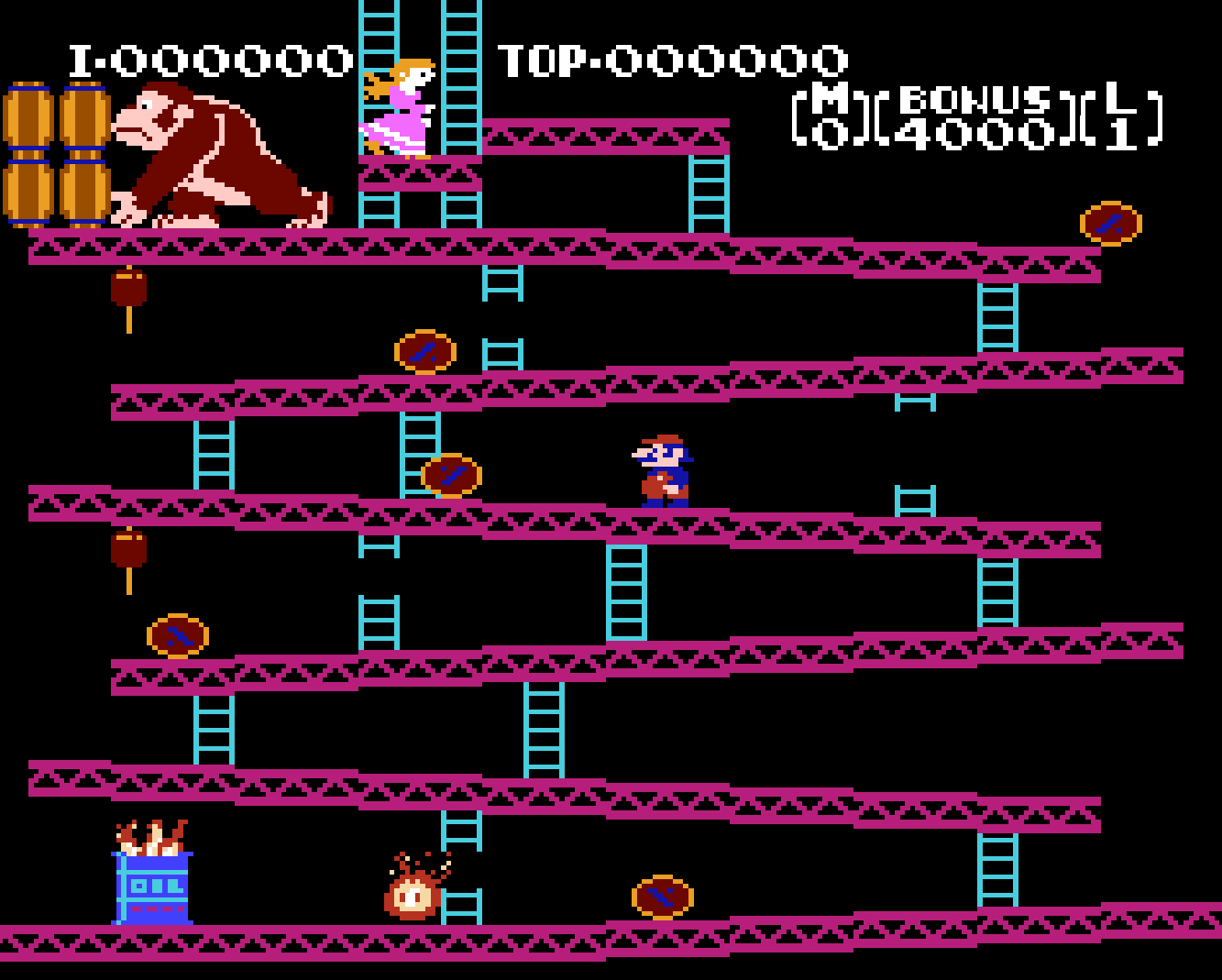
Donkey Kong is the game that not only gave us the infamous hammer (bane to Super Smash Brothers players everywhere), but also some of the best known Nintendo characters: Pauline (precursor to Princesses Peach and Toadstool), Mario (known then as Jumpman), and of course, Donkey Kong. Making it to the top of the steel maze only to watch Kong take Mario’s girl again was the perfect combination of satisfaction and frustration.
2) Spelunker, 1983
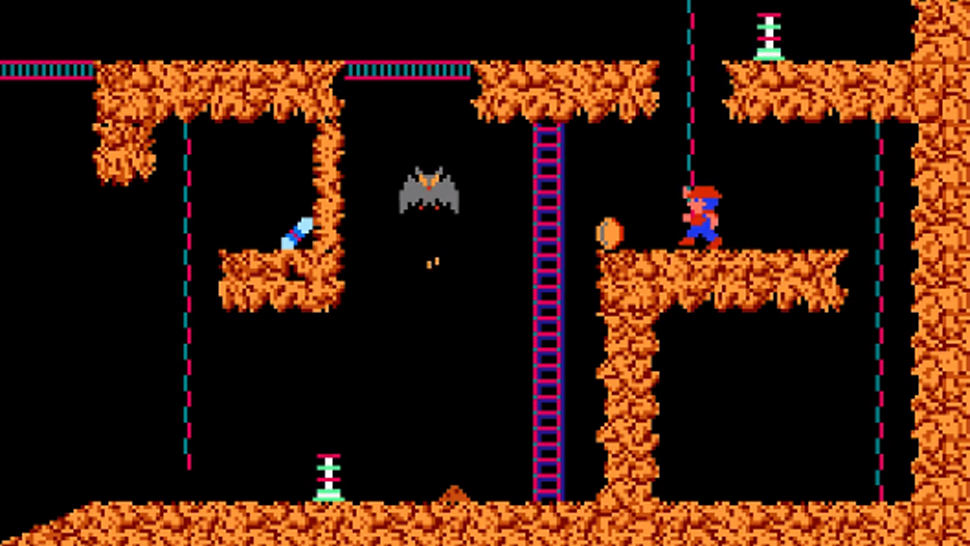
Spelunker is definitely one of those classic games that lets you know you are playing the NES. You are a cave explorer with an incredibly low tolerance for pain, and you’ve got to make it to the treasure while avoiding numerous hazards, including bat poop. Spelunker required gamers to become pros at maneuvering the character, as even falling a little too far or jumping a bit too high would result in death. Highly frustrating, highly entertaining, pure NES.
3) Super Mario Brothers/Duck Hunt
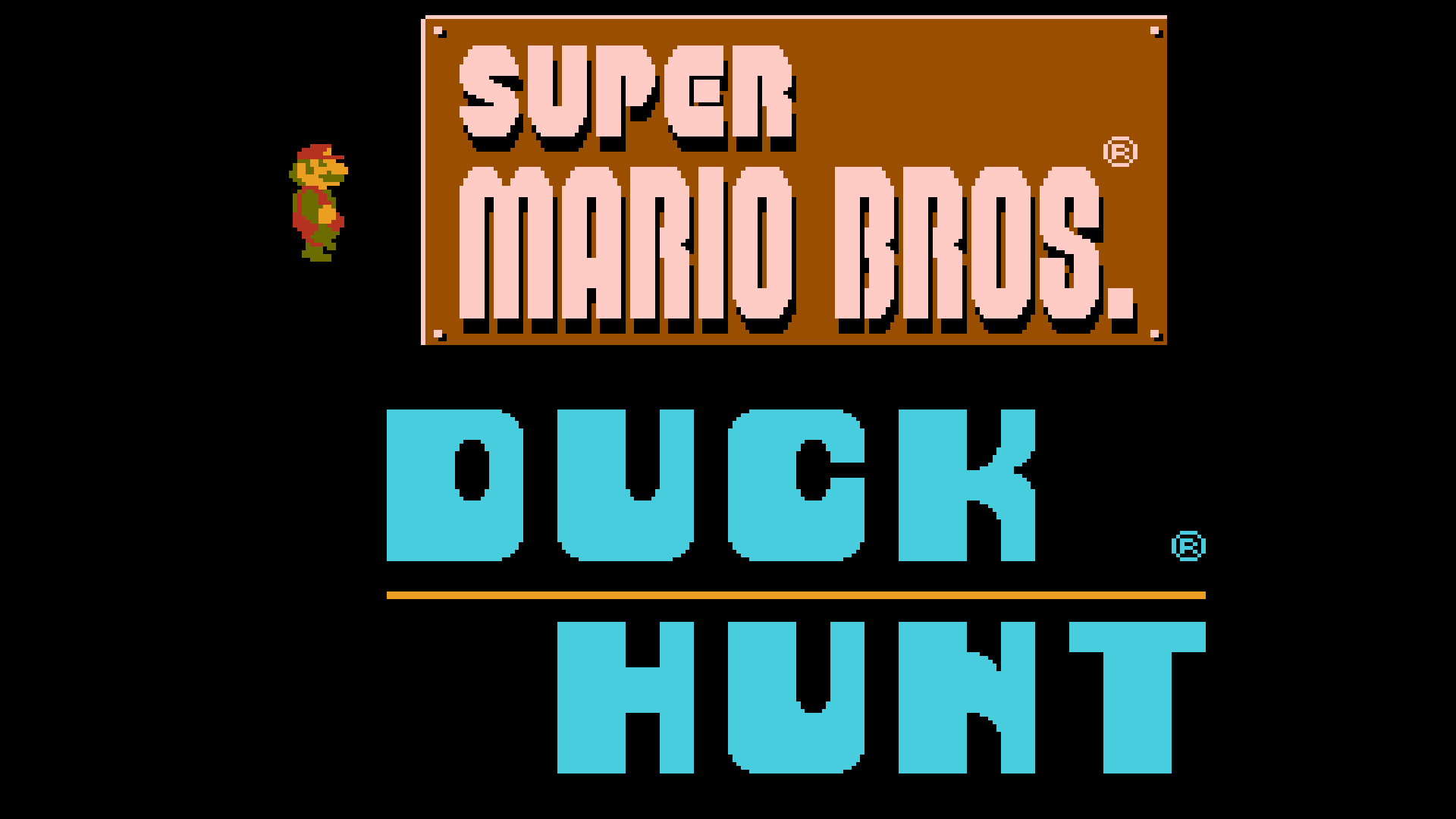
Super Mario Brothers and Duck Hunt came packaged together as a dual game-pak, and each provided the perfect escape from the other after one too many fights with the Hammer Brothers or appearances by that snickering dog. SMB in particular introduced gamers to Nintendo’s revamped flagship character, Mario, and his universe of plants, pipes, and plumbing.
4) Ghosts ‘n Goblins, 1985
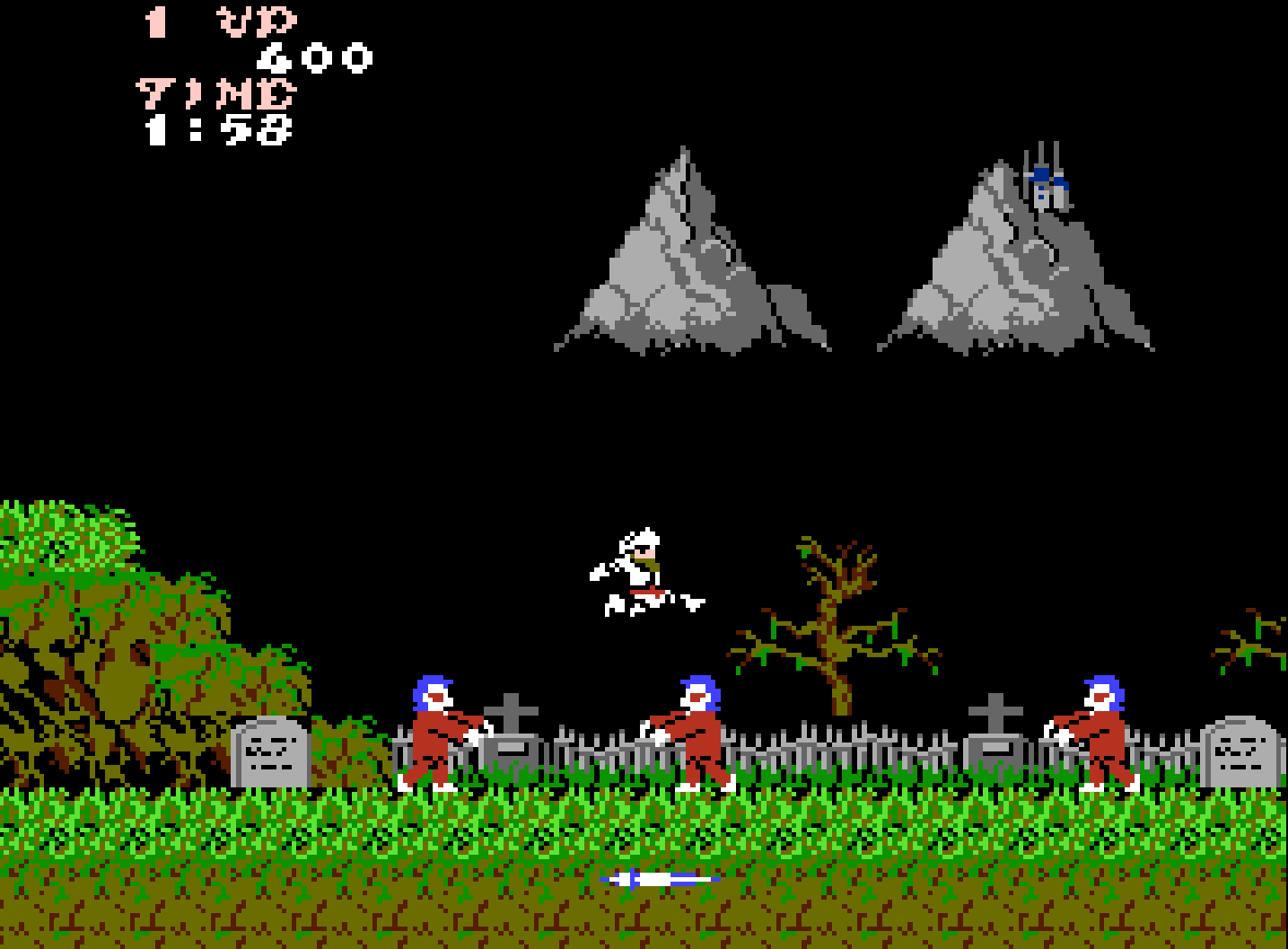
Ghosts ‘n Goblins introduced gamers to Sir Arthur, the knight with a major crush on Princess Prin Prin and a predilection for losing his clothes in battle. If players were lucky enough to make it past the Red Arremer in the first level, there were still plenty of challenges designed to test their gaming skills.
5) Metroid, 1986
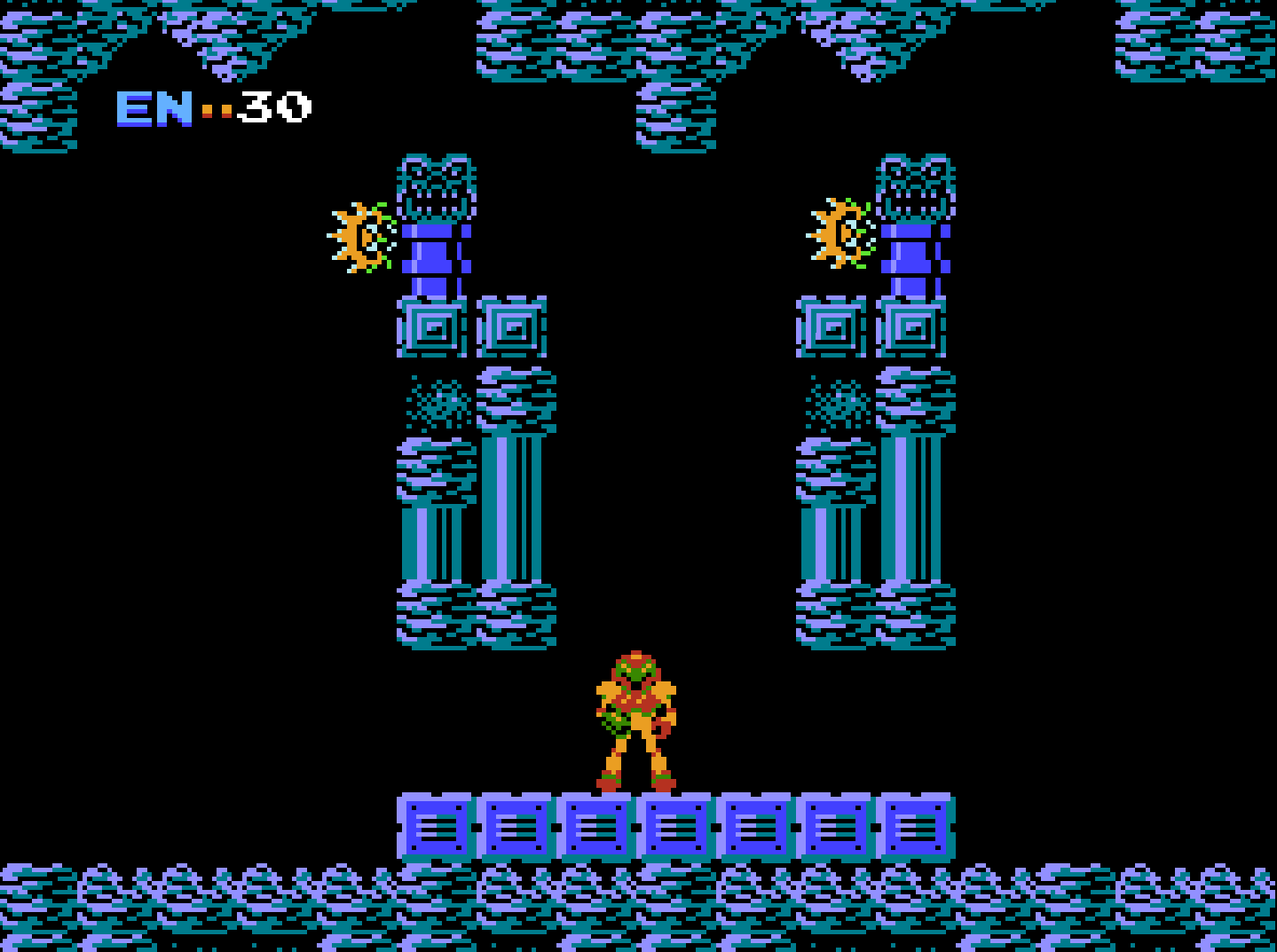
In Metroid, gamers took on the role of Samus Aran, an intergalactic bounty hunter determined to save the galaxy from the Space Pirates. This game combines elements of both Super Mario Brothers and Legend of Zelda, with a darker action-adventure story, and is notable for featuring one of the first female protagonists in gaming. One of its best known myths is the existence of an ending which features a naked Samus. Take a look at Game Center CX’s Arino, an old school game challenger, attempting to clear the game in order to test this myth.
6) Legend of Zelda, 1986
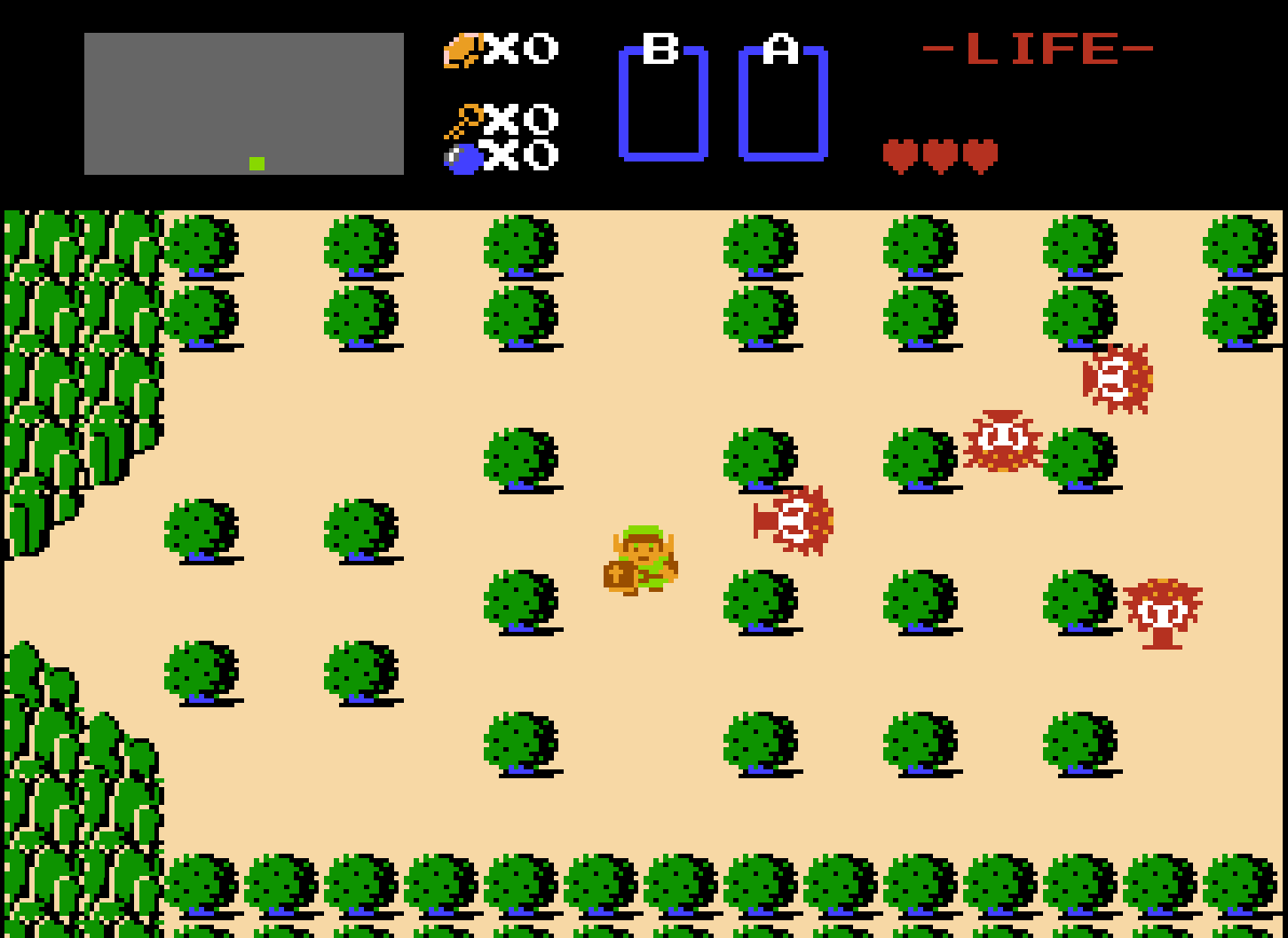
Legend of Zelda marked the debut of one of Nintendo’s flagship characters, Link, and his never-ending quest to save Princess Zelda. What an altruistic guy! Its gameplay is a mix of role playing, action, and puzzle solving, and was able to appeal to a wide audience of gamers. To this day, the Zelda franchise is one of the most important to Nintendo, and the original is the fourth best-selling NES game of all time.
7) Final Fantasy, 1987
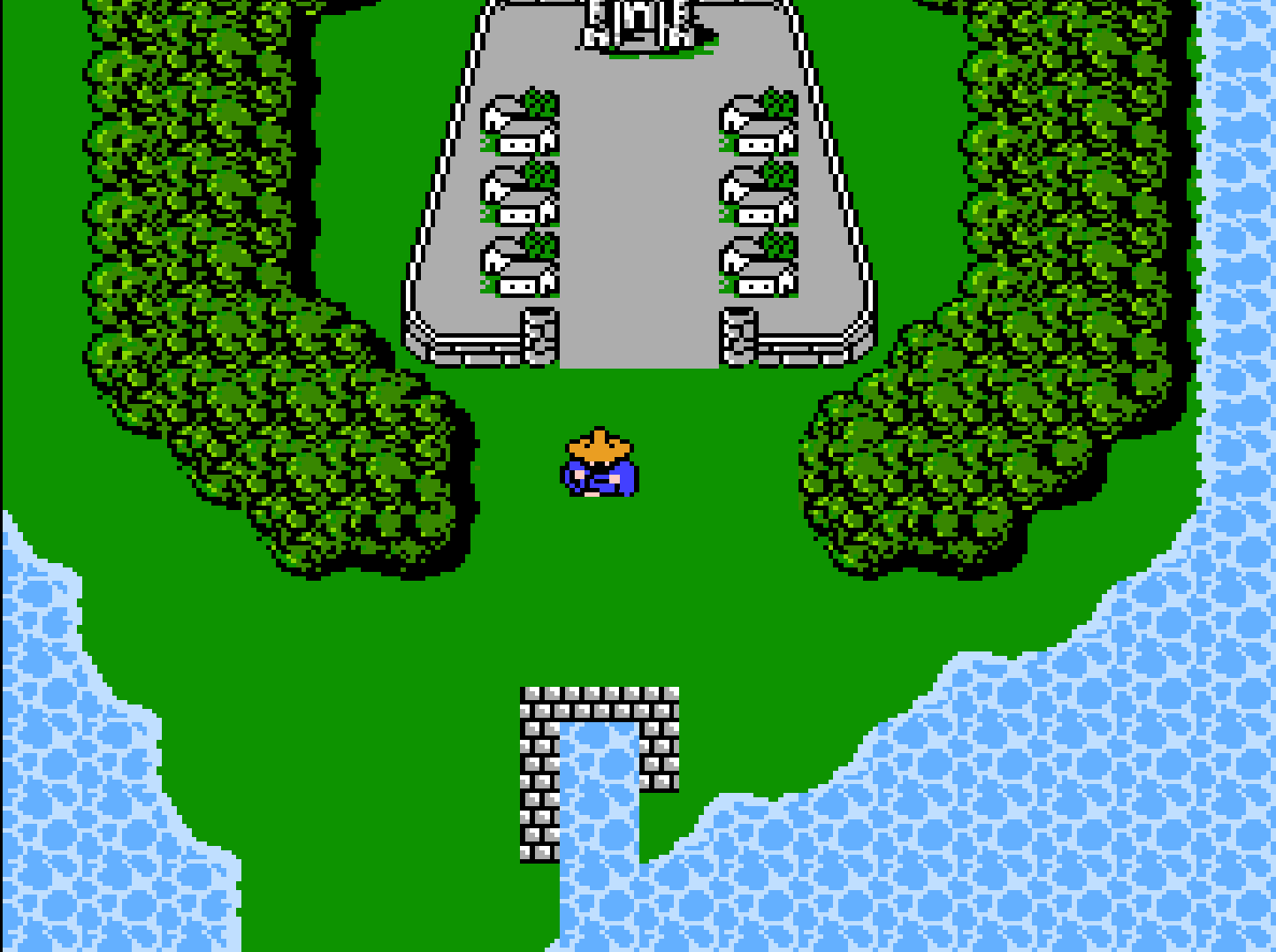
Final Fantasy, created by Hironobu Sakaguchi, has become one of the most well known franchises in gaming, but it all began back on the NES in 1987. It wasn’t the first RPG created, however it did popularize the genre and introduced to video games several features still existant in FF games today, including the notorious random encounter.
8) Contra, 1987
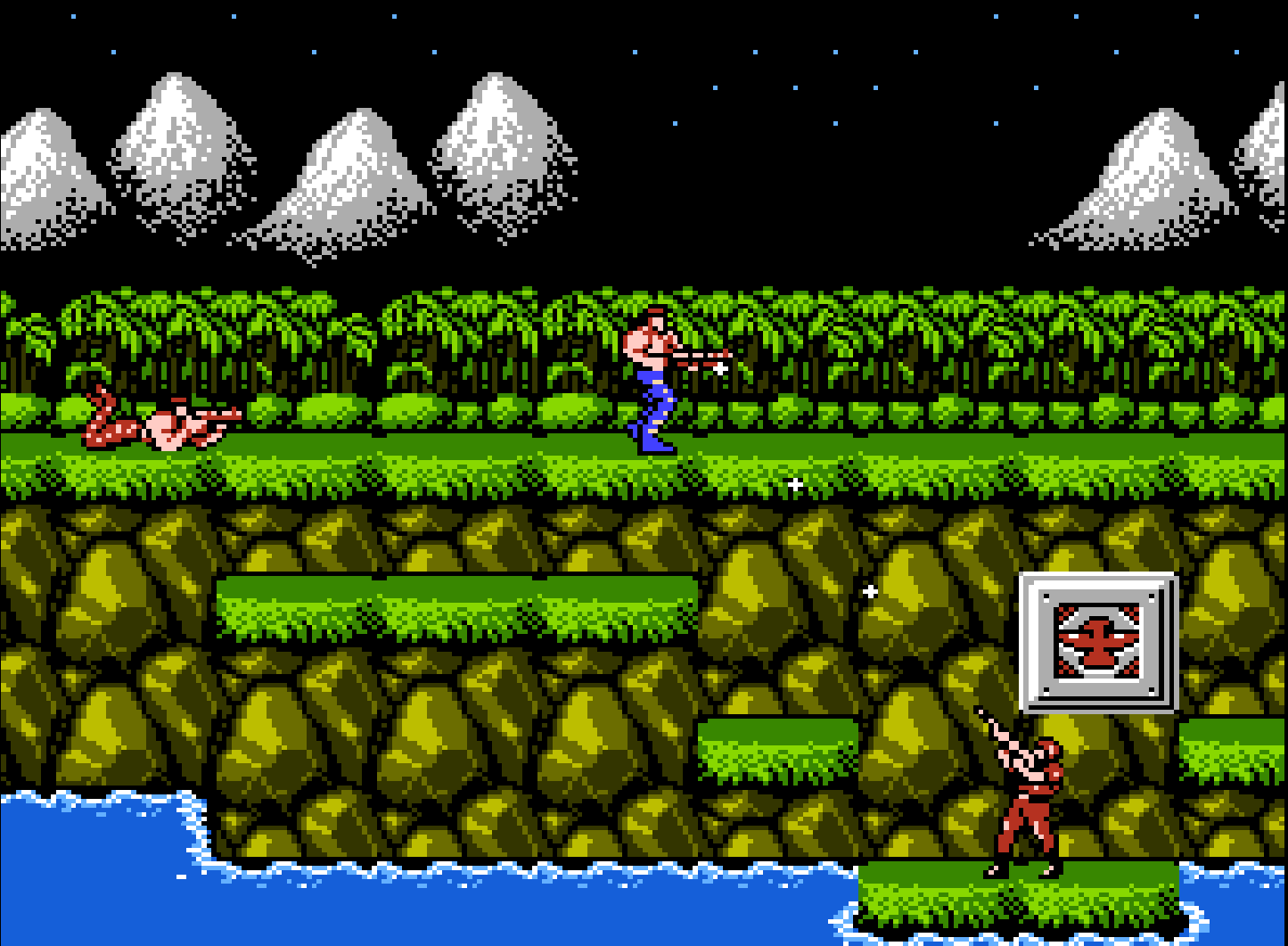
Up, up, down, down, left, right, left, right, B,A. Need I say more?
So, what are YOUR top 8 NES games of all time?
Published on .Mic
-Namakemono

By now it’s likely that you’ve heard the unfortunate news about Monday’s mass murder at the Washington Navy Yard. You’ve probably seen images of the man responsible, Aaron Alexis, and collected bits and pieces of information as it was made available. You may know that 13 people, including the gunman died. Maybe you’ve also learned that several people were injured as well, and watched their names scroll by on your television as the political pundits of the evening emotionlessly expressed their “heartfelt” sympathy and outrage. Perhaps you’ve also been told that Alexis was an avid, almost obsessive player of violent video games, which may have caused him to commit this mass murder.
It is an undeniable fact that Alexis is a killer, guilty of murdering 12 innocent people and injuring several others who were simply in the wrong place at the wrong time, and it would be an insult to them to say anything otherwise. To suggest, however, that a video game or other form of entertainment is ultimately responsible for his heinous act is an insult to innocent Americans and an irresponsible denial of the ramifications of our overzealous gun culture.
Video games, music, films, and indeed most forms of media have been the target of censorship for probably as long as these methods of sharing stories have existed. Looking back over the lifetime of most millennials, you’ll see the introduction of restrictions upon music with explicit lyrics, content ratings for television shows and video games, and going back to the first half of the 20th century, rating systems for films as well.
Many of these were created with the goal of preventing content deemed unsatisfactory from influencing the attitudes, opinions, and behaviors of American society. For example, the parental advisory label which can be found on many albums today is a reaction to content from artists such as Prince and Ice-T, which were often derogatory and featured vivid depictions of violence and sexuality. At the time, leaders of the movement in favor of these labels, such as Tipper Gore, argued that being exposed to these vivid depictions would result in an increase of violence and a loosening of sexual morality amongst American youth.
While this could be true, the fact of the matter is that worldwide, most millenials, having grown up steeped in technology, have found ample opportunity to listen to whatever music they want, play whatever games they like, and indeed consume whatever media they choose despite the restrictions placed upon them. What is dramatically different in America, compared to other countries, is the level of real world violence that occurs around them.
Take Japan for example. In 2012, at least five of the top thirty best-selling video games were from franchises known for their violent themes and depictions of explicit behavior. Resident Evil 6 was the fifth most popular game that year. However, there are nearly 200 times more murders with firearms in America than Japan. In 2002, there were 47, compared to 9369 in America. The overall crime rate is significantly lower as well. The same goes for Great Britain. In fact, there are nearly 670 times more murders with firearms in America than Britain. If Japanese and British citizens, and indeed people from any other country are for the most part consuming the same types of media, yet live with significantly lower murder rates, then the problem isn’t the entertainment, but clearly the culture of violence, or lack thereof.
In five years of living in Japan, I noticed that more people were genuinely concerned when a local convenience store was robbed at knifepoint, than at home in the Bronx when a shooting occurred in front of the local bodega. There was a desire to ensure that everyone involved was alright, and it was entirely unthinkable that something of this nature could ever happen. This is because from a young age, Japanese people are taught to respect each other and to resolve their issues through working together. More importantly, guns are outright illegal, and the concept of achieving your goals at the expense of another person’s safety or wellbeing is not accepted.
In fact, in America, it is the ease with which we accept real life violence and the eagerness to hurt others in order to secure our own prosperity that is in large part responsible for situations like that at the Washington Navy Yard. America is an incredible country and our free spirit is a large part of what made America what it is today, but without change, it will crumble apart from the inside out. Moving forward, Americans must stop blaming films and video games for the violent incidents that time and again hit the nation at its core, and learn to embrace the best practices of our global neighbors.
Published on .Mic
-Namakemono

Bashar al-Assad Must Go
The use of chemical weapons in the ongoing conflict in Syria is in direct violation of the Chemical Weapons Convention (CWC); however, Syria is not currently party to this agreement. This presents a unique opportunity for all major parties involved to ratchet down the international brinkmanship at play. While it most likely won’t end the fighting in Syria, Bashar al-Assad following through with his tentative pledge to relinquish Syria’s chemical weapons and join the CWC signifies a major turning point in the conflict, because it gives America a clear choice on how to proceed.
The CWC is an important piece of the puzzle in establishing a meaningful dialogue between Syria and the U.S., but to be clear, at this point in the conflict anything achieved through it will simply be a half-measure, and would require the world to be ok with choosing the greater of two evils.
Open for adoption since January 13, 1993, the CWC is an arms control agreement created by the U.N. to address a lack of restriction upon the production and stockpiling of chemical weapons. While the Geneva Protocol of 1925 originally prohibited the use of chemical weapons in warfare, it left several loopholes through which countries were able to justify their possession and use of these weapons. The CWC introduced strict oversights aimed at identifying and eliminating stockpiles of chemical weapons.
Parties to the CWC must not “develop, produce, otherwise acquire, stockpile or retain chemical weapons, or transfer, directly or indirectly, chemical weapons to anyone.” They are also required to report their possession of chemical weapons as well as the facilities used to design and produce them, and destroy both the weapons and facilities or provide detailed plans for their conversion to non-prohibited purposes. The convention also includes provisions for inspections and sanctions in order to ensure compliance with the agreement.
The CWC went into enforcement in 1997 after being ratified by 65 nations, and there are currently 189 nations that have joined the agreement. In the twenty years since it was originally adopted, Syria has been one of the few members of the U.N. that has not acceded to the convention, and it has made no secret of its possession of chemical weapons and its willingness to use them should the need arise. This is why Syria’s sudden willingness to renounce its chemical weapons stockpiles is both surprising and inviting of skepticism.
Syria’s acceptance of the CWC would likely spare countless individuals from a painful death caused by chemical agents and put the country in line with the rest of the world. In and of itself, this is absolutely a good thing. The measure would serve as a symbolic gesture, and would allow Syria and other nations to stop shouting at each other and start talking about a realistic ending to the conflict in Syria. It would not, however, stop the killing of innocent people by a regime bent on retaining power by whatever means necessary, and in all likelihood, will not lead to the resolution of the conflict because the problem is Assad himself.
Assad has already proven his unwillingness to step down from office, and his eagerness to fight his opposition into submission. He has killed more than 200,000 people, and displaced over 6 million as a result of his actions. Allowing him to save face by joining the CWC only strengthens his position, and allows the rest of the world a convenient exit from an uncomfortable situation. Even without chemical weapons, the Assad regime has plenty of bullets, bombs and manpower to continue its war of attrition, and whether Syria joins the CWC or not, there is simply no solution that involves the current regime. If America is sincerely concerned about the conflict in Syria, then as unpopular as it may be, military action might just be the lesser of two evils.
In his national address on Wednesday night, President Obama made his case in regard to this truth, and although as a nation we are absolutely justified in being hesitant to pursue further military action, if the conflict in Syria is something we strongly care about, then we can’t simply walk away after receiving what is ultimately no more than a paltry concession. We must decide whether we are willing to fight for true justice or if we are only interested in saving face, and willing to allow another dictator to continue to get away with heinous atrocities to advance his own agenda.
Published on .Mic
-Namakemono
50th Anniversary of the March on Washington Reveals Feelings of Triumph and Frustration.
Dave Chappelle’s Dylan, from Making the Band 2 put it best when asked, “Who are the five best rappers alive?”
“Dylan, Dylan, Dylan, Dylan, and, Dylan!”
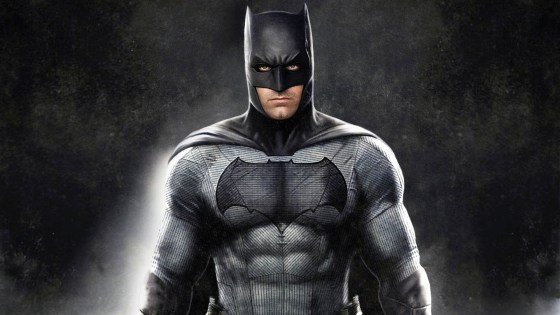
Well, much like Dylan, I have five reasons why I don’t like Warner Brothers’ next Batman, and they are, in no particular order:
Ben Affleck
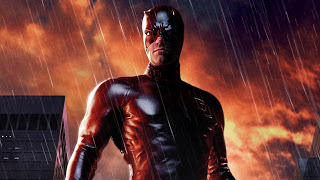
Ben Affleck
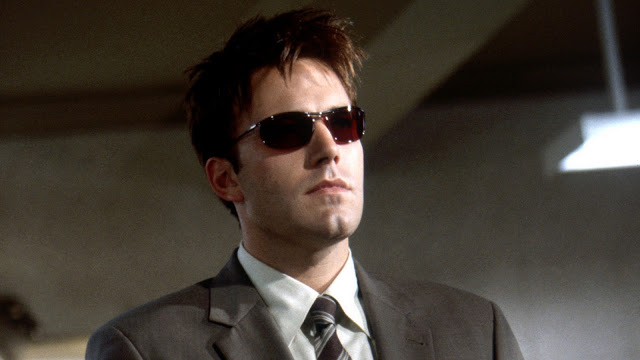
Ben Affleck
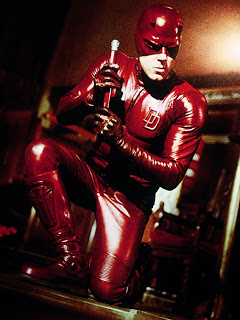
Ben Affleck
And
Ben Affleck
………
………
………
AND BEN AFFLECK, BEN AFFLECK, BEN AFFLECK!!!!
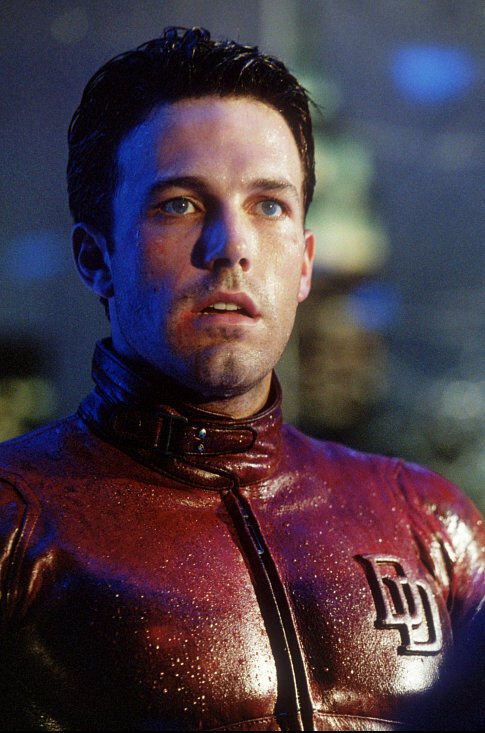
Stunned? Yes Ben, I know, all this probably seems like a lot to take in, coming to terms with the existence of an opposition to your taking up the mantle of the “World’s Greatest Detective.”
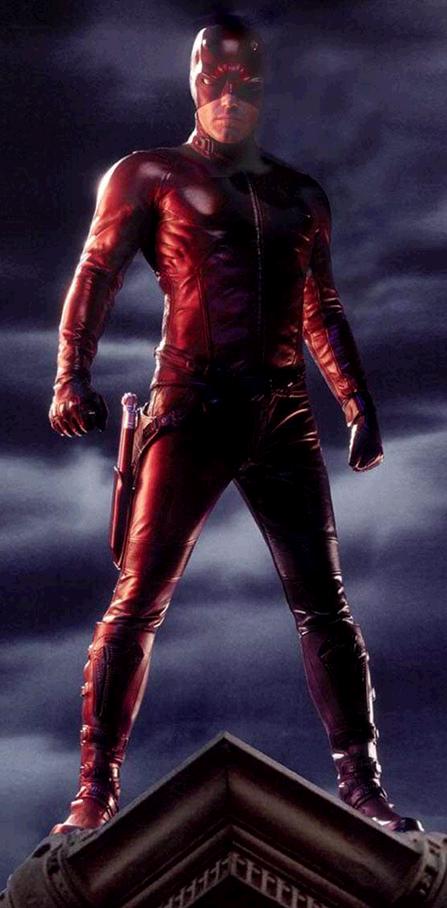
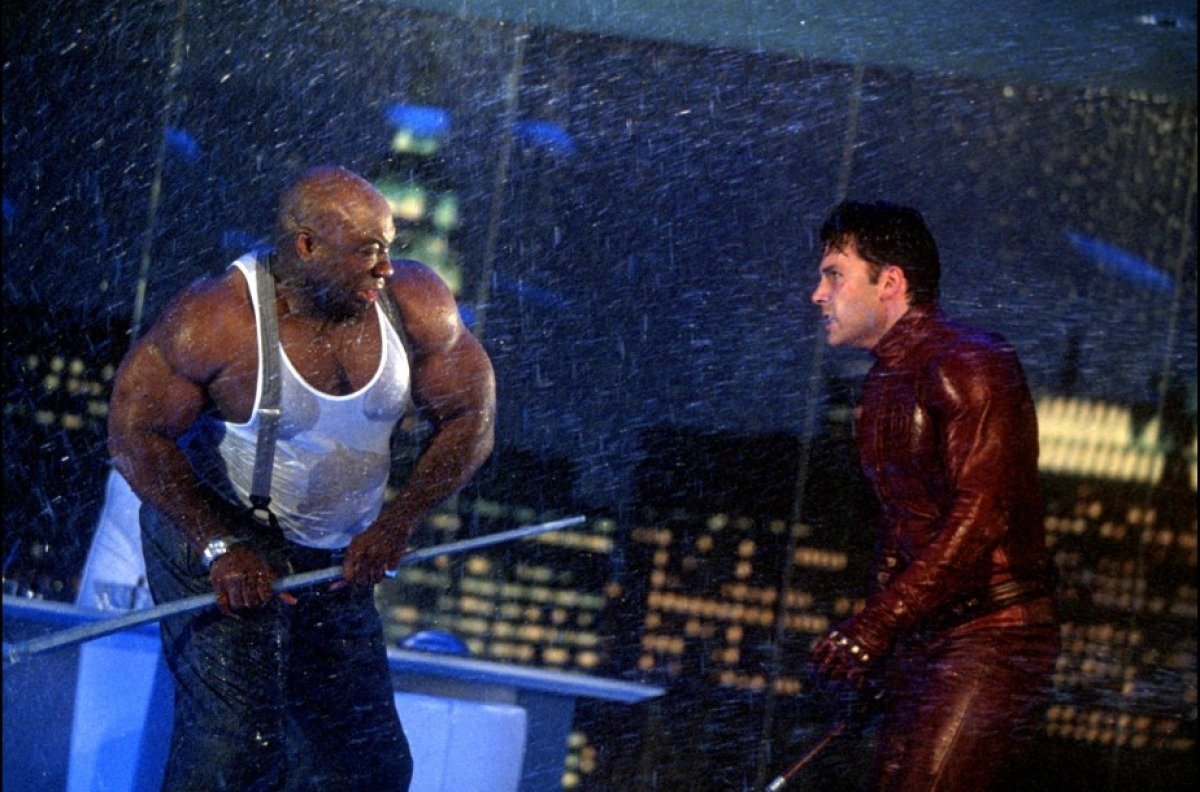
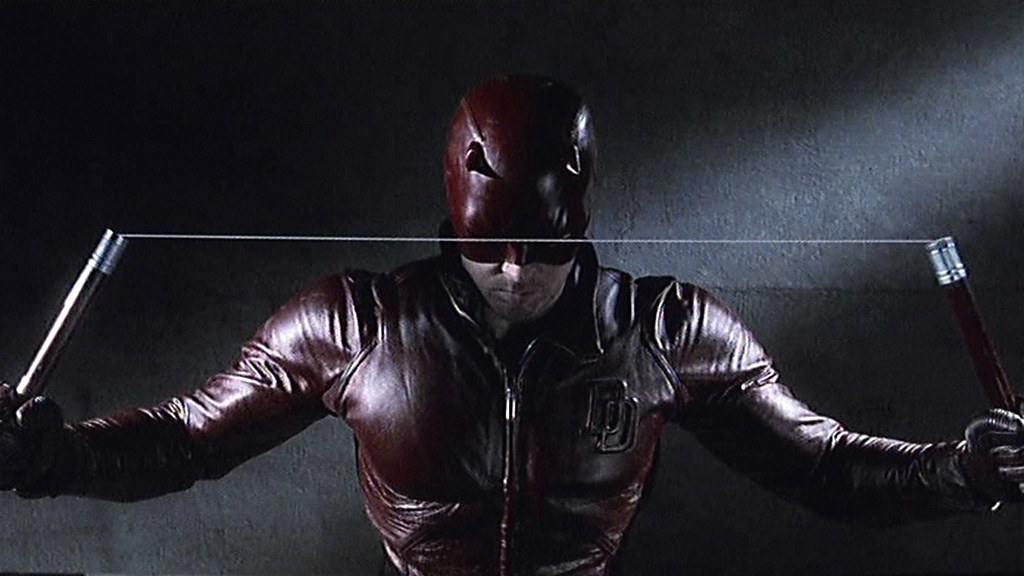
But you can’t erase Daredevil. You just can’t. Don’t try to act like you’ve grown and matured in the time since that awful excuse for a movie was given to the world; If you couldn’t play the serious gruffybear intellectual superhero the first go around, I’m simply not apt to believe you will do too much better this time.
Not to mention, the Chris Nolan Batman trilogy was an incredible example of story telling. Hit-and-miss here and there, but ABSOLUTELY entertaining throughout all three films, regardless of whatever shortcomings you manage to find. It’s difficult to imagine that you would be able to find a balance between that and Batman and Robin. If you escalate the intensity of the performance, you’ll be called out for emulating Christian Bale. If you tone the brooding down and play it a bit campier, you will be trounced like Ryan Reynolds’ depiction of Hal Jordan, and thrown in with the Schumacher films. Either way, you’ve got your work cut out for you in creating a new cinematic portrayal of Batman that we can all get behind.
This isn’t like the situation with Chris Evans, Ben. Captain Torchmerica is incredible. You can’t simply switch teams and expect that we will forgive you your transgressions. Chris Evans has garnered brand loyalty and respect by remaining with the same brand (different production companies but the brand familiarity still goes a long way), and although the Fantastic Four movies were about as good as Daredevil, the key difference here was in the performance. Chris gave a spirited performance as the Human Torch and was easily the most interesting character of the FF movies. Moreover, as he moved into the role of Captain America, he continued to deliver performances with a level of sincerity that simply was not expressed in your portrayal of Mr. Murdock. Even if we overlook the story quality and tone of your respective former franchises as dogmatic of an era in film when the superhero flick was still developing its key qualities, your performance simply falls flat.
Ben, at this point in your career, you have TOO strong of a presence for me to accept you as a character such as Bruce Wayne. When I watch your films, I am not watching Brian, or Steve, or Dirk Jenkins, or whoever the credit roll says your character is. I simply can’t suspend my disbelief; I am watching Ben Affleck. YOU are a character now, Ben. Much like beloved thespian Nicholas Cage (My favorite actor and star of Ghost Rider Nicholas Cage Rides a Motorcycle While His Head is On Fire), you are too much of a spectacle to sink into a character; rather, the characters you play merely become vehicles through which you pretend you are living someone else’s life. Like The Prince and The Pauper. But I see all-too-vividly through your new clothes, emperor.
I could sooner accept you as a villain than as THE Bat; your schmoozy, lofty, smarm-charm would lend itself well to the likes of the Riddler or perhaps a lesser known villain in Batman’s stable. S-*BEEPS*-t, I’d even accept you as Lex Luthor (Ok, no I wouldn’t, and I would object to that just as vehemently), but I simply cannot be compelled to acquiesce to the Batfleck.
In the end though Ben, it would have been absolutely ludicrous of you to turn down the chance to be the Caped Crusader. The cards are dealt; we’re aiming for a flush. So please, please, please, please, PLEASE, Ben, prove me wrong. Make me love your Batman. Usher all of us DC fans into the next era of cinematic greatness with a performance worthy of that iconic cowl.
*Update* I am so pleased that he did prove me wrong. Ben rose to the challenge and gave us a Batman worth our respect. While Batman v Superman was far from perfect, this Batman – and this Bruce Wayne – are absolutely intriguing enough to deserve more of our attention. Congratulations, Ben. Looking forward to seeing where you take the character from here.
-Namakemono
 Namakemono no Manifesto